
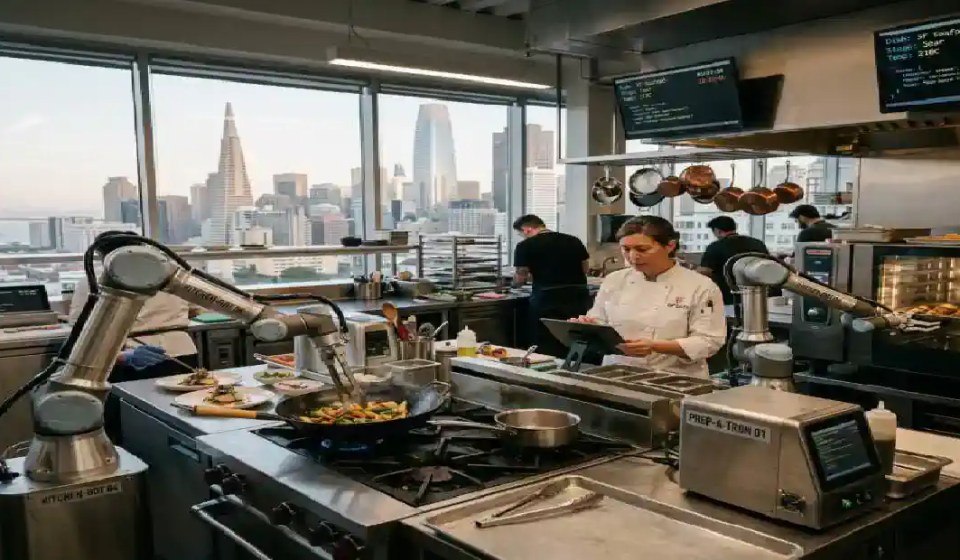

Revolutionizing Meal Prep: Robots Combat Food Insecurity in SF
San Francisco is a city of sharp contrasts. It is home to some of the world’s wealthiest tech firms, yet thousands of its residents struggle daily to find their next meal. This gap between immense wealth and deep poverty creates a constant strain on local food banks. To bridge this divide, nonprofits are now turning to new tools. These robots are making meals for people experiencing food insecurity in San Francisco, changing how the city fights hunger.
Understanding the Scale of Food Insecurity in San Francisco
Hunger remains a persistent issue in the Bay Area despite its reputation for high-tech prosperity. Many families find the high cost of living makes basic necessities unaffordable. When rent and other bills consume most of a household’s income, food is often the first expense cut. This reality forces many to rely on community kitchens and pantries just to get by.
Current Statistics on Food Needs in the Bay Area
Data shows that thousands of San Francisco households face food scarcity regularly. While exact numbers shift, thousands of individuals depend on organizations like Project Open Hand for daily support. These groups aim to provide thousands of nutritious meals every single day. The need is consistent and often exceeds what traditional kitchens can manage on their own.
Challenges Faced by Traditional Feeding Programs
Feeding thousands of people is a logistical challenge. Traditional kitchens rely heavily on volunteers to chop, cook, and pack meals. When volunteer numbers drop, meal production slows down. Additionally, the rising cost of ingredients makes it hard to maintain quality while keeping costs low. These bottlenecks often prevent feeding programs from reaching every person who needs help.
The Emergence of Automated Food Production for Social Good
To combat these issues, some local groups are adopting robotic solutions. These systems do not replace people, but they take over repetitive, time-consuming tasks. By using technology, these organizations hope to increase their output without needing a massive increase in staff. This move represents a shift toward more reliable ways to manage food production.
Identifying Key Robotic Systems Deployed
One key player in this field is Chef Robotics. They design systems that can portion and assemble meals with speed and precision. These machines often handle the physical assembly of food trays on a conveyor belt. By automating these repetitive steps, the machines allow kitchens to maintain a steady pace of production throughout the day. This technology ensures that every tray is filled to the same standard.
Efficiency Metrics: Speed, Consistency, and Safety
Automation changes the math of meal prep. A manual team might fill a certain number of trays per hour. A robotic assembly line can often double or triple that output. Beyond speed, these systems offer better consistency. Each meal receives the exact portion size intended, which helps manage ingredient costs. They also improve safety by reducing the amount of direct human handling during the assembly phase.
Case Studies: Robots in Action at San Francisco Meal Hubs
Real-world application shows how this tech works. Project Open Hand, located in the Tenderloin district, has implemented such systems. By integrating robotics into their workflow, they have addressed some of their biggest capacity hurdles. These tools help them keep up with the high demand for medically tailored meals.
Example 1: High-Volume Meal Assembly Lines
Before adding robotic support, manual assembly often caused production delays. With the new robotic systems, the kitchen can produce a higher volume of meals quickly. The robot handles the steady, repetitive work of portioning items into containers. This shift allows the human team to focus on more complex tasks, like quality control or food preparation that requires a gentle touch.
Example 2: Utilizing AI for Inventory and Waste Reduction
Advanced software now works alongside these robots. It tracks exactly how much food is used and helps predict what will be needed next. This data allows the kitchen to order ingredients more accurately. By reducing overproduction, they cut down on food waste. This is both a financial win and a more sustainable way to run a charitable kitchen.
Addressing Concerns: The Human Element in Robotic Food Relief
Some people worry that machines will take jobs or make meal services feel cold. These are valid concerns. However, the goal of these systems is not to remove humans. Instead, it is to change how human time is used. Automation allows workers to spend more time directly with clients who need support.
Reallocating Human Capital: From Prep to Distribution
When robots handle meal assembly, human workers are freed from the assembly line. They can spend their energy on tasks that require human judgment and empathy. Staff can focus on client intake, dietary assessments, and community outreach. This human connection is essential for providing dignified relief.
Ensuring Accessibility and Nutritional Integrity
Catering to diverse dietary needs is difficult for any kitchen. Robots can be programmed to handle specific meal variations with high accuracy. This is a big help when preparing meals for people with allergies or strict dietary restrictions. The technology helps ensure that every person receives the specific, healthy food they need.
The Future Outlook: Scaling Technological Solutions in Hunger Relief
The success of these pilot programs suggests a path forward. Scaling these solutions could help other cities face similar challenges. However, the model requires more than just machines. It requires infrastructure and a clear plan to make the technology accessible to other nonprofit groups.
Investment Needs and Technological Roadmaps
Wider adoption needs steady funding. It also needs tech companies to design tools that are easy for non-profits to use. Standardizing how these machines connect with existing kitchen software will be key. If the technology becomes more affordable, more organizations can benefit.
Actionable Steps for Community and Tech Leaders
Local leaders and tech philanthropists play a vital role. They can fund these projects and help build the necessary data infrastructure. Non-profits should look for partnerships with local tech startups. By working together, they can build a system that uses both human compassion and robotic efficiency.
Conclusion: Sustaining Innovation for Lasting Community Impact
Technology is a tool, not a replacement for human care. These robots help nonprofits meet a growing need with greater speed and precision. By offloading repetitive work, they allow humans to do what they do best: care for the community.
Key Takeaways
- Automation helps non-profits increase meal production without adding more staff.
- Robots improve consistency and food safety in large-scale meal prep.
- Technology allows human workers to focus on personal, high-value community support.
- Future success depends on affordable tech and strong partnerships between tech firms and non-profits.
Disclaimer: This article is for informational and educational purposes only. Technology and AI tools evolve rapidly, and software features, pricing, or capabilities may change over time. Always verify current features and terms directly with the service provider before making purchases or implementing software decisions.