
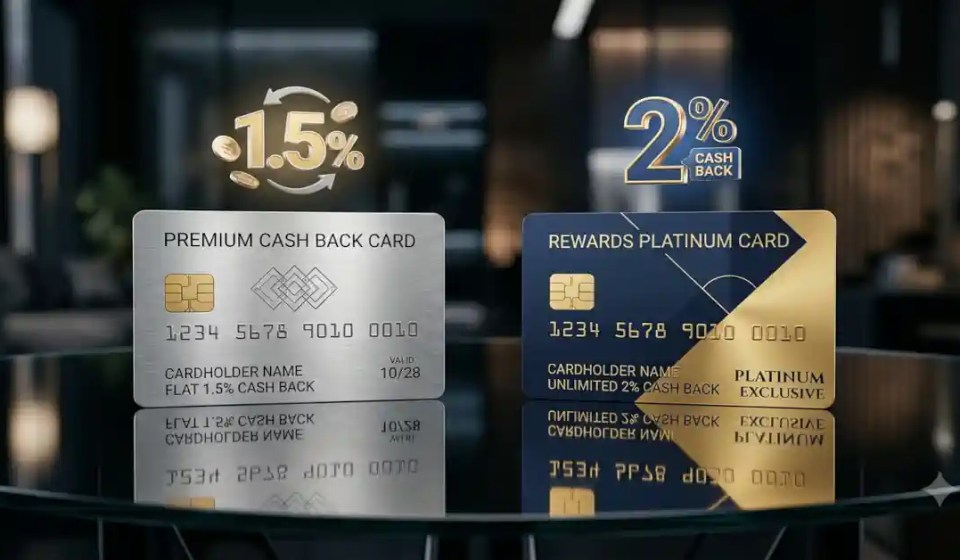
Cash Back Champions: Capital One Quicksilver vs. Citi Double Cash – A Deep Dive into Flat-Rate Rewards

Unsure whether to go with the Capital One Quicksilver or Citi Double Cash? This in-depth comparison breaks down these popular flat-rate cash back cards, helping you choose the best fit for your spending habits and financial goals. Get the inside scoop on rewards, fees, benefits, and more!
Introduction
Hey there, savvy shoppers and budget-conscious folks! Let’s face it, in today’s world, getting a little something back for your everyday spending just makes good sense, doesn’t it? We’re not talking about chasing bonus categories that change faster than the weather, or trying to remember which store earns you an extra 1% this month. No, we’re diving headfirst into the world of flat-rate cash back credit cards – the no-nonsense, keep-it-simple heroes of the rewards game. And when you talk flat-rate, two names almost always pop up: the Capital One Quicksilver Cash Rewards Credit Card and the Citi® Double Cash Card.
Both of these powerhouses promise a straightforward way to earn rewards on every purchase, no ifs, ands, or buts. But which one is actually the better pick for you? That’s where we come in! We’re about to embark on a deep dive into the Capital One Quicksilver vs. Citi Double Cash: A Deep Dive into Flat-Rate Cash Back Credit Cards. We’ll scrutinize their rewards structures, weigh their annual fees (or lack thereof!), peek at their introductory offers, and explore the little perks that might just tip the scales. So, buckle up, grab a coffee (maybe earned with cash back, eh?), and let’s figure out which card deserves a spot in your wallet.
Understanding Flat-Rate Cash Back
Before we pit these two titans against each other, it’s crucial to get a firm grasp on what “flat-rate cash back” actually means. Unlike some cards that offer boosted rewards in specific categories like groceries or gas, flat-rate cards provide a consistent percentage of cash back on all your purchases, no exceptions. Think of it as a reliable discount applied to everything you buy. This simplicity is a massive draw for many people who don’t want to overthink their spending or miss out on rewards because they forgot to use the “right” card. It’s perfect for those who have diverse spending habits or prefer a straightforward approach to earning.
Capital One Quicksilver: The Uncomplicated Earnings Machine
Ah, the Capital One Quicksilver. It’s been around the block and for good reason. It’s practically synonymous with easy-to-understand cash back.
Rewards Structure
The Quicksilver’s core offering is refreshingly simple: 1.5% cash back on every purchase, everywhere, every time. That’s it. No rotating categories, no spending caps to worry about on the base rate. Whether you’re buying a cup of coffee, paying your rent, or booking a flight, you’re getting that 1.5% back. This consistent earning potential makes it a solid workhorse for everyday expenses.
Introductory Offers and Sign-Up Bonuses
Capital One often sweetens the deal with attractive sign-up bonuses. Typically, you’ll find an offer where you can earn a lump sum of cash back after meeting a specific spending requirement within the first few months of opening the card. For instance, you might see something like “$200 cash back after spending $500 on purchases within the first 3 months.” These bonuses can give your initial cash back earnings a significant boost, essentially giving you a head start. It’s always a good idea to check Capital One’s website for their current offers, as they can change!
Annual Fee and Other Fees
Here’s a big win for the Quicksilver: it boasts no annual fee. This is a massive plus, as it means you don’t have to worry about earning enough rewards just to break even on an annual charge. This lack of an annual fee makes it incredibly accessible and cost-effective for everyday use. Of course, like most credit cards, it does have a foreign transaction fee, so it’s not the best choice for international travel unless you’re planning to use it sparingly abroad.
Perks and Benefits
Beyond the cash back, the Quicksilver comes with a suite of useful benefits. These often include:
- 24/7 access to Capital One’s customer service: Because who wants to be stuck on hold forever?
- Travel accident insurance: A nice little safety net when you’re on the go.
- Auto rental collision damage waiver: Potentially saving you money on rental car insurance.
- Extended warranty: Adding extra peace of mind to your purchases.
- Access to Eno, Capital One’s fraud monitoring tool: Keeping an eye out for suspicious activity.
These benefits, while not always groundbreaking, add tangible value to the card.
Citi Double Cash: The “Two-Sided” Earning Powerhouse
Now, let’s turn our attention to the Citi Double Cash card. This card has a unique structure that can be incredibly rewarding if you understand how it works.
Rewards Structure: The Double Dip
The Citi Double Cash’s earning structure is where it really stands out. It works like this:
- Earn 1% cash back on every purchase you make. Simple enough, right?
- Earn an additional 1% cash back as you pay for those purchases. This is the “double” part of the Double Cash. As long as you pay at least the minimum due by the due date, you’ll receive that second 1% on your eligible purchases.
So, in essence, you can earn up to 2% cash back on every purchase. This effectively makes it a higher earner than the Quicksilver on its base rate, provided you pay your bill on time. It’s a fantastic incentive to stay on top of your payments!
Introductory Offers and Sign-Up Bonuses
Citi also frequently offers compelling introductory deals for the Double Cash. These can include 0% introductory APR periods on purchases and balance transfers. While not directly cash back, a 0% APR period can be incredibly valuable for managing large purchases or consolidating debt without incurring interest charges for a set period. Always check current offers, as they can be quite different from one month to the next.
Annual Fee and Other Fees
Just like the Quicksilver, the Citi Double Cash card comes with no annual fee. This makes it a very competitive option for earning high cash back rates without any ongoing cost. It also has a foreign transaction fee, so similar to Quicksilver, it’s best reserved for domestic spending or used with caution abroad.
Perks and Benefits
While the Citi Double Cash is primarily known for its dual-earning cash back, it also comes with a few helpful features:
- Citi Entertainment®: Access to presale tickets and exclusive events.
- Account alerts: Customizable notifications to help you manage your account.
- Free access to your FICO® Score: A valuable tool for monitoring your credit health.
- 24/7 fraud protection: Keeping your account secure.
While perhaps not as extensive as some premium travel cards, these benefits complement the card’s straightforward cash back proposition.
Capital One Quicksilver vs. Citi Double Cash: A Direct Showdown
Alright, time to get down to brass tacks! Let’s directly compare these two cash back titans.
Earning Potential: Who Comes Out on Top?
On the surface, the Citi Double Cash appears to have the edge with its potential up to 2% cash back on all purchases, compared to the Quicksilver’s flat 1.5%. If your sole priority is maximizing your cash back rate on every single dollar spent, and you’re disciplined about paying your bills on time, the Citi Double Cash is the clear winner here.
However, the Quicksilver’s 1.5% is guaranteed on every purchase, regardless of whether you pay on time or not. This subtle difference is important. If you sometimes carry a balance (which, let’s be honest, we’ve all been tempted to do!), the Quicksilver’s rate is more predictable. But for those who always pay their balance in full, the Citi Double Cash’s 2% is simply unbeatable in the flat-rate category.
Annual Fees: A Tie!
Both cards are fantastic in this regard, offering zero annual fees. This is a huge advantage for anyone looking to earn rewards without an ongoing cost. It means that all the cash back you earn is pure profit, not just recouping an annual fee. This makes both cards incredibly appealing for long-term use.
Introductory Offers: Varies by Card and Time
When it comes to introductory offers, it’s a bit of a mixed bag and depends heavily on what’s being promoted at the time you apply. The Quicksilver often leads with cash back bonuses, while the Citi Double Cash is frequently seen with 0% intro APR periods on purchases and balance transfers.
- For immediate cash: The Quicksilver’s sign-up bonus might offer a quicker way to get a substantial chunk of cash back.
- For saving on interest: If you have a large purchase planned or need to consolidate debt, the Citi Double Cash’s 0% intro APR could be a lifesaver, saving you a considerable amount in interest charges.
It’s essential to research the current offers for both cards before making a decision.
Benefits and Perks: A Matter of Preference
Both cards offer a solid set of basic benefits. The Quicksilver tends to have a slightly more robust set of travel-related protections and security features. The Citi Double Cash highlights its credit score access and event presales.
- For the traveler: The Quicksilver might offer a little more peace of mind with its travel accident insurance and rental car waiver.
- For the budget manager and event-goer: The Citi Double Cash’s FICO score access and entertainment perks could be more appealing.
Ultimately, the “better” set of benefits is subjective and depends on your personal needs.
Who Should Choose Which Card?
This is the million-dollar question, isn’t it? Let’s break it down to help you make the call.
Choose the Capital One Quicksilver If:
- You want simple, predictable cash back: 1.5% on everything, no hoops to jump through.
- You value travel protections: The built-in travel insurance and rental car waiver are nice bonuses.
- You’re a new credit user or want a reliable backup card: Its straightforward nature makes it easy to manage.
- You occasionally carry a balance: While not ideal, its 1.5% rate is constant, unlike the Citi Double Cash’s second 1% which relies on timely payments.
- You’re looking for a solid sign-up bonus: Quicksilver often offers generous cash back bonuses.
Choose the Citi Double Cash If:
- You’re a disciplined bill-payer: You consistently pay your balance in full and on time. This is crucial to unlocking the full 2% potential.
- You want the absolute highest flat-rate cash back: 2% is hard to beat for everyday spending.
- You could benefit from a 0% introductory APR: For a large purchase or balance transfer, this can be a game-changer.
- You prefer to keep your rewards simple but high: It’s a no-nonsense approach to maximum earnings.
The “Both” Scenario
And hey, there’s absolutely nothing stopping you from getting both cards! If you’re a diligent bill payer, you could use the Citi Double Cash as your primary card to earn that sweet 2% back. Then, you could use the Capital One Quicksilver for specific purchases where its other benefits (like travel protections) might be more useful, or simply as a solid backup. This strategy allows you to maximize your cash back while leveraging the unique strengths of each card.
Frequently Asked Questions (FAQs)
Q1: Can I earn more than 1.5% with the Capital One Quicksilver?
A: While the base rate is 1.5% on all purchases, Capital One sometimes offers limited-time bonus categories or specific promotions. However, for everyday spending, expect a consistent 1.5%.
Q2: How is the “additional 1% cash back” on the Citi Double Cash calculated?
A: You earn the first 1% when you make a purchase, and the second 1% is awarded as you pay it off. You must pay at least the minimum due by the due date for each billing period to receive the second 1%.
Q3: Are there any foreign transaction fees on these cards?
A: Yes, both the Capital One Quicksilver and the Citi Double Cash typically charge foreign transaction fees. This means they are generally not ideal for international travel if you plan to spend a significant amount abroad.
Q4: How do I redeem my cash back rewards?
A: Both Capital One and Citi offer flexible redemption options, usually including statement credits, direct deposit into your bank account, or checks. Specific options and minimum redemption amounts may vary.
Q5: Which card is better for building credit?
A: Both cards are generally available to individuals with good to excellent credit. For building credit, responsible use of any credit card – making on-time payments and keeping utilization low – is key. Neither card is specifically designed as a “starter” credit card.
Conclusion: The Final Verdict on Flat-Rate Rewards
So, after our deep dive into the Capital One Quicksilver vs. Citi Double Cash: A Deep Dive into Flat-Rate Cash Back Credit Cards, what’s the takeaway? Both cards are exceptional choices for anyone seeking a straightforward way to earn rewards on their spending. They eliminate the complexity of bonus categories and offer a reliable return on investment for your everyday purchases.
The Capital One Quicksilver stands out for its simplicity and its solid 1.5% cash back rate on every purchase, coupled with a good set of travel benefits and no annual fee. It’s a dependable workhorse for all your spending needs.
The Citi Double Cash, on the other hand, offers the potential for a higher reward rate – up to 2% cash back – making it incredibly appealing for those who are diligent about paying their bills on time. The added incentive of a 0% introductory APR on some offers can also be a major advantage.
Ultimately, the “better” card boils down to your personal financial habits and priorities. If you’re a meticulous bill payer who wants the highest flat rate possible, the Citi Double Cash is likely your champion. If you prefer guaranteed, simple earnings with some added travel perks, the Capital One Quicksilver is a fantastic choice. And remember, you don’t have to pick just one! Many savvy consumers carry both to maximize their earnings and benefits. Happy spending, and happy earning!