
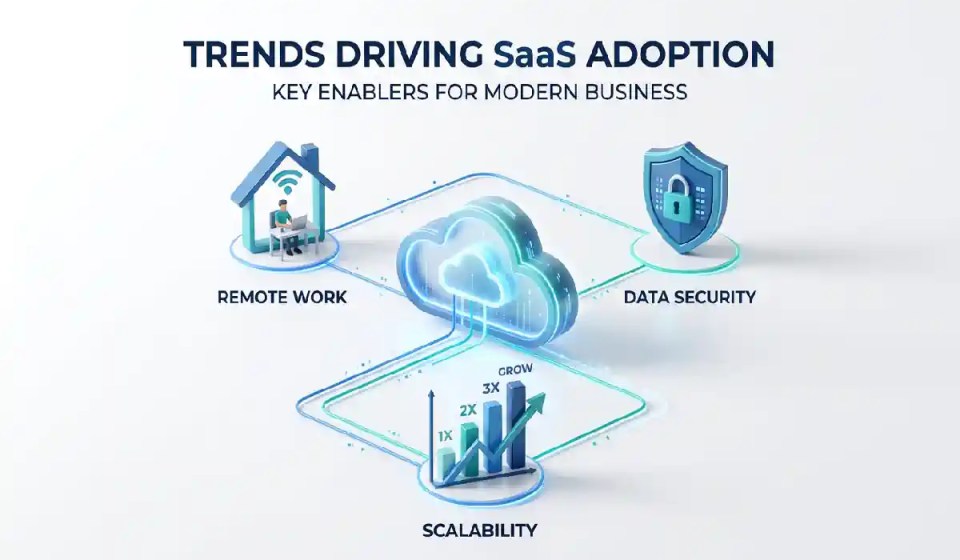

The rapid evolution of technology has led to a significant shift in how businesses operate, with Software as a Service (SaaS) solutions at the forefront of this transformation. As organisations increasingly adopt cloud-based applications, several key trends are driving this momentum. From the rise of remote work and the need for collaborative tools to the growing emphasis on data security, companies are recognizing the numerous benefits that SaaS offers. This article explores the major trends influencing the adoption of SaaS solutions, highlighting the factors that make these platforms essential for modern businesses looking to enhance efficiency, reduce costs, and improve customer experiences.
The Rise of Remote Work and Collaboration Tools
Impact of the COVID-19 Pandemic
The COVID-19 pandemic turned the world upside down, and suddenly, our living rooms became our offices. As people scrambled to adapt, companies discovered that remote work wasn’t just doable—it was often more productive. SaaS solutions with remote collaboration tools became the unsung heroes, paving the way for seamless communication and project management from the comfort of our sweatpants.
Collaboration Features in SaaS Platforms
Today’s SaaS platforms are like those Swiss Army knives we all wish we had in our back pockets. With video conferencing, real-time document editing, and instant messaging all packed into one solution, collaboration tools have become essential. Features like task assignments, comment sections, and file sharing not only keep teams connected but also make working together feel a little less like herding cats.
Future of Remote Work Technologies
As we tiptoe into the future, remote work technologies are set to evolve even further. Expect AI-driven assistants to book those pesky meetings for you and virtual reality spaces that make you feel like you’re actually sitting next to your colleague (without the coffee breath). The remote work landscape will keep changing, with SaaS solutions at the heart of this evolution, ensuring we remain productive and maybe even a little more sane.
Cost Efficiency and Scalability of SaaS Solutions
Lower Upfront Costs and Ongoing Expenses
One of the many perks of SaaS solutions is the ever-so-appealing price tag (or lack thereof). Companies can skip the hefty upfront costs associated with traditional software licenses and instead opt for monthly subscriptions that won’t make their finance team faint. This flexibility not only eases budgetary strain but also allows businesses to allocate resources to other pressing matters—like that snack fund everyone keeps talking about.
Scalability for Growing Businesses
SaaS is like that stretchy elastic waistband that keeps on giving; it can expand or contract based on your needs. As businesses grow (or shrink), SaaS solutions can easily adjust, allowing companies to add or reduce user accounts and features with just a few clicks. This scalability means businesses can remain agile and responsive, rather than getting stuck with software that feels more like a ball and chain.
Comparison with Traditional Software Models
When pitting SaaS solutions against traditional software models, it’s like comparing a shiny new sports car to a clunky old rust bucket. Traditional models often require extensive installations, maintenance, and costly upgrades. In contrast, SaaS solutions live in the cloud, making them accessible from anywhere and automatically updated. The agility, cost-effectiveness, and ease of use of SaaS quickly overshadow the inertia of traditional software.
Increasing Demand for Data Security and Compliance
Regulatory Compliance Challenges
In today’s data-driven world, businesses face an ever-growing labyrinth of regulatory compliance. From GDPR to HIPAA, navigating these regulations can feel like trying to solve a Rubik’s cube blindfolded. SaaS providers are stepping up, investing in compliance-ready platforms to help businesses avoid hefty fines and legal headaches—because who has time for that?
Data Protection Strategies in SaaS
With great data comes great responsibility (and yes, that comes with a side of paranoia). SaaS solutions have upped their data protection game, employing encryption, multi-factor authentication, and regular security audits. Organisations are now looking for providers that prioritise security—because if there’s one thing worse than losing data, it’s losing it to a cyber villain.
Trust and Reliability Factors for Businesses
Trust is the secret sauce in the SaaS world. Businesses want to know their data is safe and sound, and they’re keen on partnering with providers who can prove their reliability. Transparent security policies, robust customer support, and stellar uptime records go a long way in building that trust. After all, nobody wants to be the company whose data gets borrowed by a hacker for a late-night joyride.
The Role of AI and Automation in SaaS Products
Enhancing User Experience with AI
AI is like the magic wand of the SaaS world, sprinkling innovations that enhance user experiences. From chatbots that help users at 2 AM (because we all know that’s when tech issues strike) to smart recommendations that personalise interactions, AI is redefining how we engage with SaaS products. The result? A more tailored experience that feels less robotic and more like having a helpful sidekick.
Automation of Routine Tasks
Remember the days of manually entering data into spreadsheets? Yeah, neither do we. SaaS solutions now use automation to handle those boring, repetitive tasks that make us all want to tear our hair out. By freeing up valuable time, employees can focus on more creative and strategic endeavors—like figuring out the perfect coffee-to-work ratio.
Predictive Analytics and Decision Making
Predictive analytics is the crystal ball of the SaaS universe, helping businesses forecast trends and make data-driven decisions. By analyzing historical data, these tools can highlight patterns and suggest optimal strategies. Companies that harness this power can plan ahead, react swiftly to market changes, and ultimately gain a competitive edge—without needing a fortune teller on staff.
Enhanced Customer Experience through SaaS Innovations
Personalization and Customer Engagement
SaaS solutions are like your favorite barista who remembers your coffee order—only better! With advanced analytics and machine learning, SaaS platforms can personalize experiences to meet individual user needs. This means tailored content, targeted marketing, and engagement strategies that make customers feel special. Engaging customers through personalized touches not only boosts satisfaction but also loyalty, turning one-time buyers into lifelong fans.
Feedback Loops and Continuous Improvement
In the SaaS world, customer feedback is gold. Many platforms now incorporate real-time feedback loops that allow users to share their experiences and suggestions directly within the software. This means that developers can quickly identify pain points and implement changes, ensuring that the product evolves alongside its users. Continuous improvement is no longer a nice-to-have; it’s essential for staying competitive in a fast-paced market.
Case Studies of Successful SaaS Implementations
Let’s take a moment to celebrate the rock stars of the SaaS universe. Companies like Slack and Zoom have not only transformed how we communicate but also how they adapt their services based on user needs. For instance, Slack continually introduces features like integrations and personalized notifications, all based on user feedback. These case studies highlight that successful SaaS implementations are less about the tech stack and more about creating an experience that users genuinely love.
Integration Capabilities with Existing Systems
Importance of API Connectivity
Imagine trying to organize a dinner party where everyone speaks a different language—chaos, right? That’s why API connectivity is crucial for SaaS solutions. APIs allow different software systems to talk to each other, creating seamless integration that enhances functionality. With robust API capabilities, SaaS solutions can integrate with existing systems like CRMs, ERPs, and more, streamlining operations and improving workflow efficiency.
Challenges of System Integration
Of course, integrating systems isn’t all rainbows and unicorns. Common challenges include data silos, compatibility issues, and the dreaded “it worked in testing” syndrome. Organizations often grapple with ensuring that new SaaS applications can communicate effectively with legacy systems. But fear not! With strategic planning and a well-thought-out integration process, these challenges can be minimized.
Benefits of a Unified Software Ecosystem
Once the integration puzzle is complete, the benefits of a unified software ecosystem start to shine. Businesses experience improved data visibility, enhanced collaboration, and streamlined workflows. Imagine a world where your sales team, marketing team, and customer support team are all on the same page—this is the magic of integration. A harmonious ecosystem not only boosts productivity but also fosters innovation, helping businesses to adapt and scale efficiently.
Shift towards Subscription-Based Pricing Models
Advantages of Subscription Over Licensing
In the SaaS realm, subscription models are the new black. Unlike traditional licensing, which often requires hefty upfront payments and long-term commitments, subscription-based pricing offers flexibility and scalability. This allows businesses to pay for what they actually use while keeping their options open for future growth. No more buyer’s remorse when you realize you didn’t need that extra license after all!
Flexibility and Affordability for Users
The beauty of subscription models lies in their adaptability. Users can easily scale their subscriptions up or down as their needs change, providing a level of financial predictability that traditional models lack. For small businesses and startups, this affordability means accessing powerful tools without breaking the bank. It’s like having a VIP pass to the software world without the scary price tag.
Impact on SaaS Business Models
As more companies embrace subscription-based pricing, SaaS business models are shifting to focus on customer retention and long-term relationships rather than one-time sales. This change encourages providers to continually invest in product improvements and customer support, ultimately leading to better products and happier users. Plus, the recurring revenue stream is a lovely safety net for businesses, allowing for more consistent financial planning.
Growing Importance of Mobile Accessibility in SaaS Applications
Trends in Mobile Usage and SaaS
Mobile is no longer an afterthought; it’s the star of the show! With more users accessing applications on-the-go, SaaS solutions must prioritize mobile accessibility. Trends show that mobile usage is skyrocketing, with users expecting seamless functionality whether they’re at their desks or on the subway. If your SaaS application doesn’t play well with mobile, you might as well be sending smoke signals.
Designing for Mobile: Best Practices
Designing for mobile isn’t just about shrinking the desktop version; it’s a whole different ballgame. Best practices include optimizing for touch interactions, ensuring fast loading times, and maintaining a clean, intuitive UI. Responsive design is key, as it allows users to enjoy a consistent experience across all devices. Remember, a happy user is a loyal user, and nobody likes a clunky interface when they’re trying to get things done on their phone.
Future Outlook for Mobile SaaS Solutions
The future is bright for mobile SaaS solutions. As technology continues to advance—think 5G and improved cloud capabilities—the potential for mobile applications is limitless. We can expect more sophisticated features, enhanced security measures, and even better user experiences. So, buckle up! The mobile SaaS revolution is just getting started, and the ride is bound to be exciting.In conclusion, the adoption of SaaS solutions is being propelled by a variety of trends that cater to the needs of today’s dynamic business environment. As organizations continue to embrace remote work, prioritize data security, and seek innovative technologies, SaaS platforms will remain a vital part of their operational strategies. By understanding and leveraging these trends, businesses can position themselves for success in an increasingly competitive landscape, ultimately enhancing their efficiency and customer satisfaction.
Frequently Asked Questions
What is SaaS and how does it differ from traditional software?
SaaS, or Software as a Service, refers to cloud-based applications delivered over the internet, allowing users to access software without installation or maintenance. Unlike traditional software, which often requires upfront licensing and local installation, SaaS typically operates on a subscription model and is maintained by the service provider.
What are the main benefits of adopting SaaS solutions?
The main benefits of SaaS solutions include cost efficiency, scalability, ease of integration with existing systems, automatic updates, and improved accessibility for remote teams. Additionally, SaaS often provides enhanced security features and data compliance measures.
How can businesses ensure data security when using SaaS applications?
Businesses can ensure data security by choosing reputable SaaS providers that prioritize encryption, compliance with industry regulations, and regular security audits. Implementing strong access controls, using multi-factor authentication, and regularly reviewing security policies also contribute to safeguarding sensitive data.
What trends should businesses watch for in the future of SaaS?
Businesses should watch for trends such as increased use of artificial intelligence and machine learning in SaaS applications, the growing importance of mobile accessibility, and advancements in integration capabilities. Additionally, the shift toward more personalized user experiences and subscription-based pricing models will likely continue to shape the SaaS landscape.
Boost Team Output: Fostering Collaboration through Online Tools Powered by the Latest Clouds
Disclaimer: This article is for informational and educational purposes only. Technology and AI tools evolve rapidly, and software features, pricing, or capabilities may change over time. Always verify current features and terms directly with the service provider before making purchases or implementing software decisions.



[…] Everyone building AI services in 2026 is targeting the same small pool of clients — tech startups, creative agencies, e-commerce brands, and SaaS companies. […]