
Unlocking Your Financial Future: Real Estate Investing: A Smart Investment for the Savvy

Discover why real estate investing is a smart investment for building wealth, generating passive income, and achieving financial freedom. Explore strategies, tips, and the benefits of diving into the property market.
Introduction
Let’s face it, the idea of building serious wealth often conjures up images of Silicon Valley startups or Wall Street trading floors. But what if I told you that some of the most robust and accessible pathways to financial freedom are rooted in something far more tangible, something you can see, touch, and even live in? I’m talking about Real Estate Investing: A Smart Investment, and it’s high time we moved beyond the outdated notions of it being only for the ultra-rich. In today’s dynamic economic landscape, understanding and leveraging the power of property is more crucial than ever. Whether you’re dreaming of early retirement, a steady stream of passive income, or simply a way to diversify your portfolio beyond volatile stocks, real estate offers a compelling, time-tested solution.
Gone are the days when investing in real estate meant amassing a fortune before even getting started. While it’s true that some avenues require significant capital, the beauty of property investment lies in its sheer variety. From flipping houses to renting out apartments, from delving into commercial properties to exploring innovative crowdfunding platforms, there’s an entry point for almost everyone. It’s not just about buying a house and hoping it appreciates; it’s about strategic acquisition, smart management, and understanding the long game. So, grab a cup of coffee, settle in, and let’s unravel why diving into the world of property might just be the smartest financial move you ever make.
Why Real Estate Investing: A Smart Investment? The Undeniable Advantages
So, what makes real estate such a consistently lauded investment vehicle? It’s not just one thing; it’s a confluence of factors that, when combined, create a potent recipe for wealth creation. Let’s break down the core benefits that solidify Real Estate Investing: A Smart Investment as a cornerstone of any sound financial plan.
The Power of Appreciation: Watching Your Money Grow
One of the most exciting aspects of real estate is its potential for appreciation. Over time, property values tend to increase, driven by factors like inflation, growing demand, and desirable locations. While the market can fluctuate, historically, real estate has demonstrated a remarkable ability to outpace inflation, meaning your investment isn’t just holding its value; it’s actively growing. Imagine buying a property for $200,000 and seeing it worth $350,000 a decade later – that’s a significant return on your initial outlay, and that’s before we even talk about rental income. It’s like planting a tree; you nurture it, and over time, it bears fruit and its trunk grows stronger.
Rental Income: Your Own Personal Cash Flow Machine
Beyond appreciation, one of the most significant draws of real estate investing is the potential for passive income through rental properties. Rent checks rolling in month after month can provide a steady stream of cash flow, helping to cover your mortgage, property expenses, and, ideally, leaving you with a healthy profit. This consistent income can be a lifesaver, especially during economic downturns when other investments might be struggling. It offers a sense of security and predictability that’s hard to find elsewhere. Think of it as owning a mini-business that pays you regularly, without you having to be there 24/7.
Building Equity: Your Investment Grows in More Ways Than One
Every mortgage payment you make on an investment property doesn’t just go towards interest; a portion of it directly increases your equity – the difference between the property’s market value and what you owe on it. As you pay down your mortgage and the property appreciates, your equity grows, essentially turning your investment into a steadily growing asset. This equity can be a powerful financial tool, allowing you to tap into it later for other investments, emergencies, or even early retirement. It’s like a snowball rolling downhill; it gets bigger and bigger over time.
Tax Advantages: Uncle Sam’s Little Secret
Now, let’s talk about something that might sound a little dry but can significantly boost your returns: tax benefits. The government, recognizing the importance of housing and encouraging investment, offers several tax deductions and advantages to real estate investors. These can include deductions for mortgage interest, property taxes, operating expenses, depreciation, and even capital gains exclusions when you sell. While it’s crucial to consult with a tax professional, these advantages can substantially reduce your taxable income, making your investment even more profitable. It’s like finding hidden pockets of money that you didn’t even know existed!
Tangible Asset Security: Peace of Mind in a Digital World
In an era dominated by digital assets and fluctuating stock markets, owning a tangible asset like real estate offers a unique sense of security. You can see it, you can touch it, and you have direct control over it. Unlike stocks or bonds, which can be wiped out by market crashes or company failures, a physical property, barring natural disasters, is generally a more stable investment. This inherent stability can provide invaluable peace of mind, especially for those who prefer a more conservative approach to wealth building. It’s a concrete asset that you can point to and say, “That’s mine, and it’s growing.”
Real Estate Investing: A Smart Investment – Navigating the Strategies
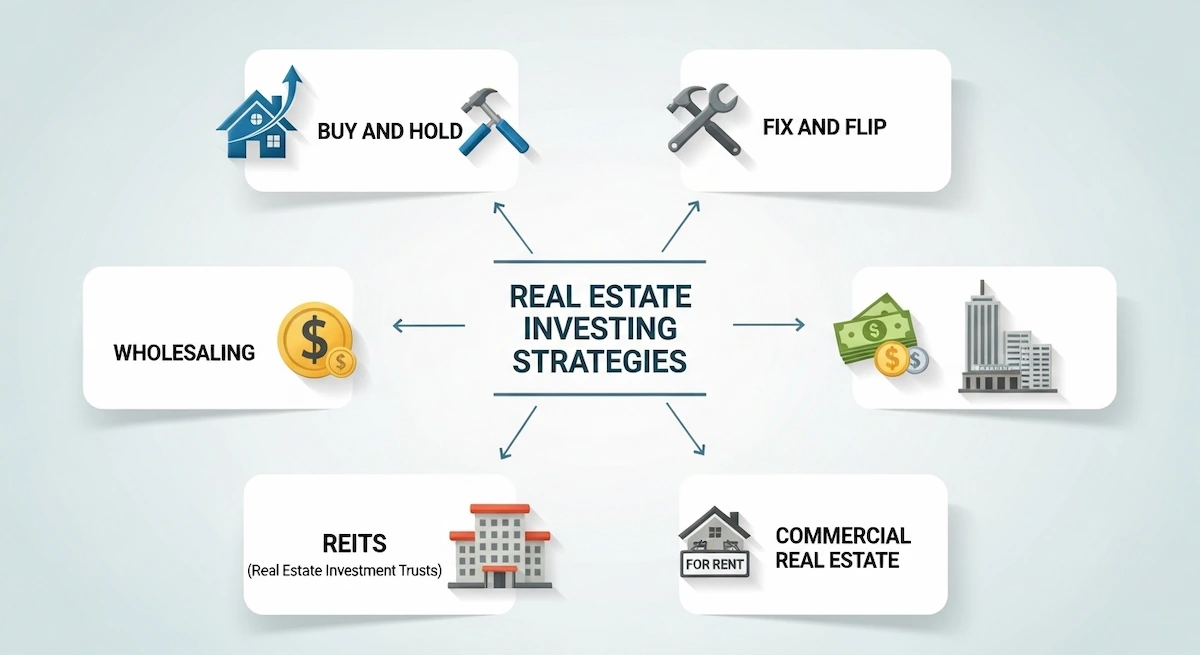
Understanding why real estate investing is a smart investment is one thing; knowing how to do it is another. The world of property investment is diverse, offering a smorgasbord of strategies to suit different risk appetites, capital levels, and time commitments. Let’s explore some of the most popular and effective approaches.
Buy and Hold: The Classic Path to Passive Income
This is perhaps the most traditional and widely recognized real estate investment strategy. It involves purchasing a property with the intention of holding onto it for an extended period, generating rental income, and benefiting from long-term appreciation.
Key Considerations for Buy and Hold
- Location, Location, Location: This adage can’t be stressed enough. Proximity to amenities, good schools, job centers, and transportation are crucial for attracting and retaining tenants.
- Property Type: Single-family homes, multi-family units (duplexes, triplexes, apartment buildings), or even commercial spaces can all be part of a buy-and-hold strategy, each with its own set of pros and cons.
- Tenant Management: Finding reliable tenants, handling repairs, and dealing with potential vacancies are all part of the job. Many investors opt for property managers to streamline this process.
- Financing: Understanding mortgage options, interest rates, and down payment requirements is paramount.
House Flipping: The Thrill of the Quick Turnaround
House flipping is the strategy of buying a distressed property, renovating it, and selling it quickly for a profit. It’s a more active and often higher-risk, higher-reward approach compared to buy and hold.
The Art of the Flip
- Identifying Undervalued Properties: This requires a keen eye for potential, often in less-than-perfect conditions. Foreclosures, short sales, and properties needing cosmetic updates are prime targets.
- Accurate Renovation Budgeting: Underestimating renovation costs can quickly eat into profits. Detailed planning and reliable contractors are essential.
- Speed is Key: Holding onto a flipped property for too long can tie up capital and expose you to market fluctuations. A quick sale is the goal.
- Market Knowledge: Understanding current market trends and buyer demand in your target area is critical for pricing your renovated property correctly.
Real Estate Investment Trusts (REITs): Investing Without the Hassle
For those who want exposure to real estate without the headaches of direct ownership, REITs are a fantastic option. These companies own, operate, or finance income-producing real estate across various sectors, and their shares are traded on major stock exchanges, much like stocks.
The Benefits of REITs
- Liquidity: REITs can be bought and sold easily on stock exchanges, offering much more flexibility than physical property.
- Diversification: Investing in a REIT typically provides diversification across multiple properties and sometimes across different property types.
- Professional Management: Your investment is managed by experienced real estate professionals.
- Passive Income: REITs are required by law to distribute a significant portion of their taxable income to shareholders as dividends, offering a reliable income stream.
Real Estate Crowdfunding: Pooling Resources for Bigger Deals
The digital age has democratized real estate investing through crowdfunding platforms. These platforms allow multiple investors to pool their money to invest in larger real estate projects, often those that would be inaccessible to individual investors.
How Crowdfunding Works
- Access to Larger Deals: Investors can participate in commercial developments, large apartment complexes, or other substantial projects with relatively smaller capital outlays.
- Due Diligence: Platforms vet projects and sponsors, providing investors with a degree of assurance. However, it’s still crucial for investors to conduct their own due diligence.
- Potential for High Returns: These platforms often offer attractive projected returns, though they also come with their own unique risks.
FAQ: Your Burning Real Estate Investing Questions Answered
Here are some of the most frequently asked questions about diving into real estate investing:
- Do I need a lot of money to start investing in real estate?
Not necessarily! While some strategies require significant capital, options like REITs, crowdfunding, and even house hacking (renting out rooms in your own home) can allow you to start with less. It really depends on the strategy you choose and your local market. - How do I find good investment properties?
This involves a combination of market research, networking with real estate agents, exploring online listings, attending auctions, and sometimes even driving through neighborhoods looking for distressed properties. Building relationships with people in the industry is key. - What are the biggest risks in real estate investing?
Key risks include market downturns, unexpected repair costs, difficulty finding or keeping tenants, interest rate hikes, and potential vacancies. Thorough due diligence and a solid financial buffer are crucial for mitigating these risks. - How long should I hold an investment property?
For buy-and-hold strategies, the longer, the better, generally. Aim for a minimum of 5-10 years to allow for appreciation and to ride out any short-term market fluctuations. For flipping, the goal is a quick sale, typically within a few months. - Is it better to invest in residential or commercial real estate?
Both have their merits. Residential properties are generally easier to understand and manage for beginners, with consistent demand. Commercial properties can offer higher returns but often require more capital, expertise, and longer lease terms.
Real Estate Investing: A Smart Investment – Tips for Success
Embarking on your real estate investing journey is an exciting prospect, and setting yourself up for success from the outset can make all the difference. Here are some tried-and-true tips to help you navigate the property market with confidence.
Do Your Homework: Knowledge is Power
Before you even think about signing any paperwork, immerse yourself in learning. Read books, listen to podcasts, attend seminars, and talk to experienced investors. Understanding market trends, local economic indicators, financing options, and legal aspects will equip you to make informed decisions and avoid costly mistakes. It’s like studying for a test; the more you prepare, the better you’ll do.
Build a Solid Team
You can’t do it all alone. Assemble a reliable team of professionals, including a real estate agent specializing in investment properties, a trustworthy mortgage broker, a meticulous inspector, a skilled contractor, a knowledgeable real estate attorney, and a sharp accountant or tax advisor. Having the right people in your corner can save you time, money, and a whole lot of headaches.
Understand Your Finances Inside and Out
Before you invest, get your personal finances in order. This means having a good credit score, a solid emergency fund, and a clear understanding of your borrowing capacity. For investment properties, always run the numbers conservatively. Factor in all potential expenses, including vacancies, repairs, property management fees, and taxes, to ensure profitability. Don’t get caught with your pants down financially!
Start Small and Scale Up
Especially if you’re new to the game, it’s wise to start with a smaller, less complex investment. This could be a single-family home or a duplex in an area you know well. Once you gain experience and confidence, you can gradually scale up your portfolio, taking on larger or more complex deals. Learning from mistakes on a smaller scale is far less painful than making them on a massive investment.
Have a Long-Term Vision
While some strategies, like flipping, focus on short-term gains, most successful real estate investors operate with a long-term perspective. Think about your ultimate financial goals – are you aiming for passive income, capital appreciation, or early retirement? Having a clear vision will guide your investment decisions and help you stay the course through market fluctuations.
Conclusion
In a world constantly seeking the next big thing, the enduring power of real estate investing remains a beacon for those aiming to build lasting wealth and financial security. It’s not a get-rich-quick scheme, but a proven, time-tested strategy that, with diligence, knowledge, and a bit of grit, can lead to significant financial rewards. From the steady hum of rental income to the silent growth of appreciation, the benefits are substantial and accessible to a wide range of individuals.
Whether you’re drawn to the hands-on approach of flipping or the passive nature of REITs, the opportunities are vast and varied. Remember, Real Estate Investing: A Smart Investment is about more than just bricks and mortar; it’s about strategic planning, calculated risks, and a commitment to building a brighter financial future. So, if you’ve been on the fence, perhaps now is the time to take that first step. The market is waiting, and your financial future could thank you for it.
Disclaimer: This article is for informational and educational purposes only and should not be construed as financial, investment, or legal advice. Financial markets and product terms change frequently. Always conduct your own research or consult with a qualified financial advisor before making any financial decisions.