
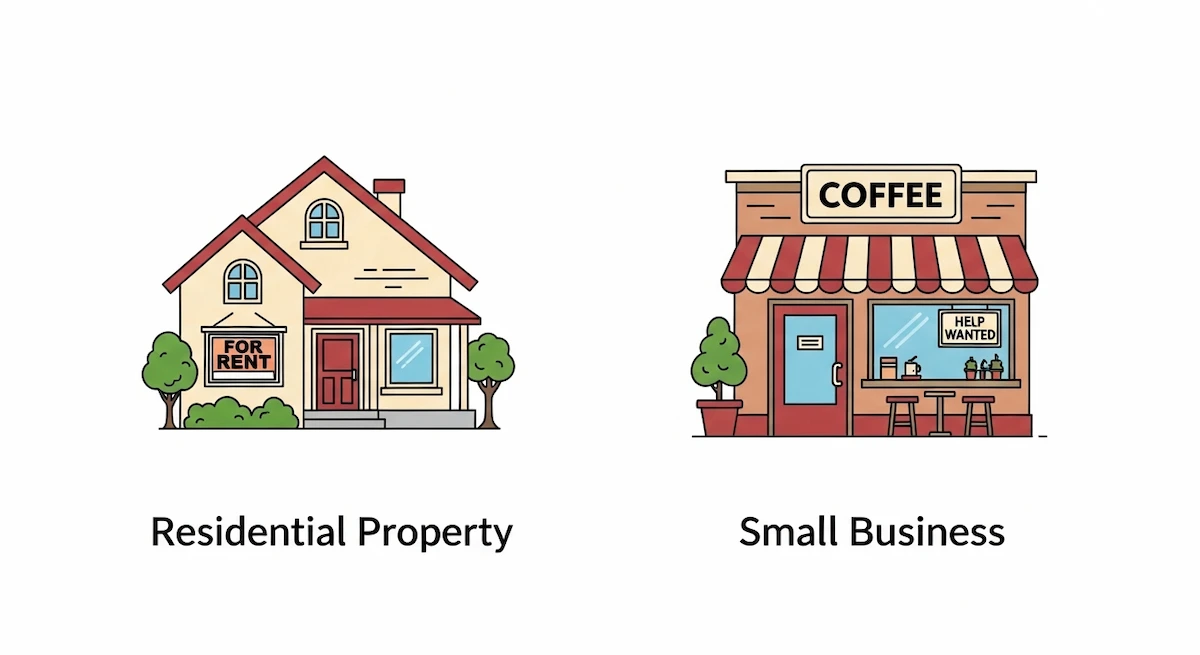

Juggling a property portfolio from miles away? Discover the ultimate guide on How to Manage Properties as an Absentee Owner, packed with insider tips and actionable strategies for seamless remote ownership.
Introduction
So, you’ve got a property, or perhaps several, tucked away in a location you can’t physically be present for on a daily basis. Maybe you’re living the dream abroad, chasing career opportunities in another state, or simply prefer the hands-off approach to real estate investment. Whatever the reason, being an absentee owner comes with its own unique set of challenges, right? It’s not exactly like popping over to check on things when a leaky faucet starts to drip or when the lawn needs a mow. But don’t you fret! With the right game plan, managing properties as an absentee owner can be not just manageable, but downright successful. It’s all about building a robust system, trusting the right people, and leveraging technology to your advantage. Think of it as conducting an orchestra from the conductor’s podium – you’re not playing every instrument, but you’re ensuring every note is hit perfectly. This comprehensive guide is designed to arm you with the knowledge and tools to conquer the complexities of remote property ownership, turning potential headaches into hassle-free returns. We’ll dive deep into what it takes to keep your investments humming along smoothly, even when you’re a continent away.
Laying the Foundation: The Crucial First Steps
Before you can effectively manage properties from afar, you’ve got to get your ducks in a row. This isn’t a “set it and forget it” situation, not entirely anyway. A solid foundation is paramount to avoiding costly mistakes down the line.
Assembling Your A-Team: The Power of Reliable Partners
The absolute cornerstone of successful absentee ownership is having a trustworthy team on the ground. You simply can’t be everywhere at once, so you need people who can be your eyes, ears, and hands.
Choosing a Stellar Property Manager
This is often the biggest, most crucial decision you’ll make. A good property manager is worth their weight in gold. They handle everything from tenant screening and rent collection to maintenance and dealing with emergencies. When selecting a property manager, don’t just pick the first one you find. Do your homework!
- Experience Matters: Look for managers with a proven track record in your specific market and with properties similar to yours.
- Reputation is Key: Ask for references and check online reviews. A manager with consistent positive feedback is a good sign.
- Communication Style: How do they communicate? Are they responsive? Do they have a clear reporting structure? You need someone who will keep you in the loop without overwhelming you.
- Fee Structure: Understand their fees clearly. Are they a percentage of rent collected, a flat fee, or a combination?
- Services Offered: Make sure their services align with your needs. Do they handle evictions? Do they have a network of reliable contractors?
The Local Handyman/Contractor Network
Even with a property manager, having a few trusted local handymen or contractors on speed dial can be a lifesaver. For smaller, immediate issues that might not warrant a full property manager call-out, or if your manager’s preferred contractor is swamped, these contacts are invaluable. Again, testimonials and word-of-mouth recommendations are your best bet here.
Legal and Financial Advisors
Don’t forget your legal and financial professionals. You might need a lawyer to review lease agreements or handle complex tenant disputes. An accountant can help navigate tax implications, especially if you have multiple properties across different jurisdictions.
Mastering the Operations: Your Remote Control
Once your team is in place, it’s time to focus on the operational aspects of managing your property from a distance. This involves setting up systems that ensure smooth sailing.
Streamlining Rent Collection
Rent collection is the lifeblood of any rental property. As an absentee owner, you need a foolproof system that minimizes late payments and simplifies the process for both you and your tenants.
- Online Payment Platforms: Most reputable property managers will utilize online portals that allow tenants to pay rent electronically. This is incredibly convenient and reduces the chances of checks getting lost in the mail.
- Direct Deposit: If you’re managing it yourself (which is less common for absentee owners but not impossible), setting up direct deposit can be a great option.
- Clear Late Fee Policies: Ensure your lease agreement has a clear and legally sound policy regarding late fees. This incentivizes timely payments.
Proactive Maintenance and Repairs
Deferred maintenance is a tenant’s worst nightmare and a landlord’s financial pitfall. For an absentee owner, it can be a recipe for disaster.
- Regular Inspections (via Manager): Your property manager should conduct regular inspections, typically quarterly or semi-annually, to identify any potential issues before they become major problems.
- Tenant Reporting System: Establish a clear and easy way for tenants to report maintenance requests. This should ideally be through your property manager’s portal or a dedicated phone line.
- Preventative Maintenance Schedule: Work with your property manager to create a preventative maintenance schedule for things like HVAC servicing, gutter cleaning, and pest control. This is way cheaper than reactive repairs!
- Emergency Fund: Always have an emergency fund set aside for unexpected repairs. You don’t want a burst pipe to leave you scrambling for cash.
Tenant Relations from Afar
Maintaining positive tenant relationships is key to reducing turnover, which saves you money and hassle. Even though you’re not face-to-face, you can still foster good relationships.
- Clear Communication Channels: Ensure tenants know who to contact for what and that their concerns will be addressed promptly (via your property manager).
- Fairness and Consistency: Treat all tenants fairly and apply lease terms consistently. This builds trust and respect.
- Respecting Privacy: While inspections are necessary, ensure they are conducted with proper notice as required by law and tenant agreements.
Leveraging Technology: Your Digital Swiss Army Knife
In today’s world, technology is your best friend when it comes to managing properties as an absentee owner. It bridges the physical gap and keeps you informed and in control.
Property Management Software
Many property managers use sophisticated software that provides owners with a dashboard view of their properties. This can include:
- Financial reports (income, expenses, cash flow)
- Maintenance requests and status updates
- Lease details and tenant information
- Document storage
If your property manager doesn’t use software, it might be a red flag. If you’re self-managing (again, less common for absentee owners), there are numerous software options available for you to consider.
Virtual Tours and Digital Signatures
When it comes to finding new tenants, technology can streamline the process significantly.
- Virtual Tours: High-quality video tours or 3D virtual tours allow prospective tenants to view the property remotely, saving time and travel costs for everyone.
- Digital Signatures: Lease agreements and other documents can be signed electronically, making the onboarding process quick and efficient.
Security and Monitoring
Smart home technology can offer an extra layer of security and peace of mind.
- Smart Locks: Allow authorized access for maintenance personnel or cleaners without the need for physical keys. You can often grant and revoke access remotely.
- Security Cameras: Strategically placed cameras can deter crime and provide valuable evidence if any incidents occur. Many systems allow remote viewing.
Navigating the Legal Landscape
Property ownership, especially from a distance, comes with legal responsibilities. Staying on the right side of the law is non-negotiable.
Understanding Landlord-Tenant Laws
Landlord-tenant laws vary significantly by state and even by city. As an absentee owner, it’s crucial to have a solid understanding of these regulations.
- Lease Agreements: Ensure your lease agreements are compliant with all local and state laws.
- Eviction Procedures: If you ever need to evict a tenant, you must follow the legal procedures precisely. Mistakes here can lead to costly delays and legal battles. This is where a good property manager or attorney is indispensable.
- Fair Housing Laws: Understand and adhere to fair housing laws to avoid discrimination claims.
Insurance Considerations
Adequate insurance is a must. Don’t skimp here!
- Landlord Insurance: This type of insurance covers the structure of your property and protects you from liability claims.
- Umbrella Policy: Consider an umbrella policy for added liability protection, especially if you own multiple properties.
- Review Regularly: Review your insurance policies annually to ensure they still meet your needs.
Frequently Asked Questions (FAQs)
Q1: What’s the biggest mistake absentee owners make?
A1: The most common and costly mistake is not having a reliable local team, especially a good property manager. Trying to do too much yourself from afar is a recipe for burnout and financial loss.
Q2: How often should I expect to hear from my property manager?
A2: This depends on your agreement, but generally, you should receive regular financial statements (monthly) and updates on any significant issues or maintenance requests. A good manager will proactively communicate important information.
Q3: Can I manage my property myself from afar?
A3: While technically possible, it’s highly challenging and generally not recommended for most absentee owners. It requires immense organizational skills, a strong local network, and a significant time commitment. Hiring a professional property manager is usually the most effective route.
Q4: How do I handle tenant disputes from a distance?
A4: Your property manager should be your primary point of contact for all tenant issues, including disputes. They are trained to handle these situations professionally and according to legal guidelines.
Q5: What are the tax implications of owning rental property as an absentee owner?
A5: Tax laws can be complex and vary based on your location and the property’s location. It’s essential to consult with a qualified tax advisor or accountant who specializes in real estate to ensure you’re taking advantage of all eligible deductions and fulfilling your tax obligations correctly.
Conclusion
Managing properties as an absentee owner might sound daunting, but with the right strategy, it’s entirely achievable and can be incredibly rewarding. It’s not about being physically present; it’s about being intelligently connected and strategically supported. By building a strong team, leveraging technology, and staying informed about your responsibilities, you can ensure your investments are well-maintained, tenants are happy, and your returns are maximized, all from the comfort of wherever you call home. Remember, the key to successful absentee ownership is to create a system that works for you, allowing you to reap the benefits of your real estate without being tethered to it. So, take a deep breath, implement these strategies, and get ready to watch your property portfolio thrive, no matter the distance. It’s all about smarts, not just proximity!
Disclaimer: This article is for informational and educational purposes only and should not be construed as financial, investment, or legal advice. Financial markets and product terms change frequently. Always conduct your own research or consult with a qualified financial advisor before making any financial decisions.