


Ready to level up your events? This in-depth exploration of virtual events platforms reveals the game-changing benefits you’ve been missing. Discover how to engage audiences, boost ROI, and unlock new possibilities!
Introduction
Ever felt that pang of disappointment when a fantastic event is just out of reach – too far away, too expensive, or simply clashing with your packed schedule? I know I have! For years, the event landscape felt a little… geographically challenged. But then, like a phoenix rising from the ashes of cancelled conferences and postponed galas, virtual events platforms burst onto the scene, and boy, have they shaken things up! What started as a necessity during challenging times has blossomed into a powerful, flexible, and surprisingly engaging way to connect, learn, and celebrate. This isn’t just about swapping in-person for online; it’s a fundamental shift, and frankly, it’s about time!
The sheer explosion in the sophistication and accessibility of these platforms is nothing short of remarkable. We’re no longer talking about clunky webinars with static slides. Oh no, we’ve moved way beyond that! Today’s virtual event platforms offer immersive experiences, interactive features, and networking opportunities that can rival, and in some cases even surpass, their physical counterparts. So, buckle up, because we’re about to embark on an in-depth Exploration of Virtual Events Platforms with Benefits that are genuinely revolutionizing how we think about gatherings. It’s an exciting frontier, and if you’re not paying attention, you’re seriously leaving opportunities on the table!
The Evolution of Events: From Town Halls to The Metaverse (Almost!)
It feels like just yesterday we were marveling at the ability to join a video call from our living rooms. Fast forward a few years, and the technology has leaped forward at an astonishing pace. Think about it: not so long ago, the idea of attending a global conference without leaving your desk seemed like something out of science fiction. Now, it’s a reality for millions.
From Basic Webinars to Immersive Worlds
Initially, virtual events often meant a speaker droning on to a silent audience via a basic video conferencing tool. Engagement was low, technical glitches were rampant, and the overall experience often left much to be desired. Attendees would often multitask, checking emails or browsing social media, their attention span dwindling with every passing minute. We’ve all been there, haven’t we? You’re staring at a screen, pretending to listen, but your mind is miles away.
But that’s changed. Drastically. Today’s virtual event platforms are designed with engagement at their core. They incorporate features like:
- Interactive polls and Q&A sessions: Keeping audiences on their toes and directly involved.
- Breakout rooms for targeted discussions: Fostering deeper connections and specialized networking.
- Gamification elements: Leaderboards, trivia, and challenges to inject some fun and friendly competition.
- Virtual exhibitor booths: Dynamic spaces where sponsors can showcase products and interact with attendees in novel ways.
- AI-powered matchmaking: Connecting attendees with similar interests for networking opportunities.
And it doesn’t stop there. We’re seeing platforms that are pushing the boundaries further, incorporating elements that mimic the serendipitous encounters and vibrant atmosphere of in-person events. Some are even dabbling in the nascent stages of metaverse integration, offering 3D environments where avatars can mingle and interact. It’s a far cry from those early, rudimentary webinars, that’s for sure!
Unpacking the Benefits: Why Virtual is the New Must-Have
Let’s cut to the chase: why should you care about virtual events platforms? Because the benefits are simply too good to ignore. They offer a powerful combination of accessibility, cost-effectiveness, and reach that traditional events often struggle to match.
Reaching Wider Audiences, Without the Jet Lag!
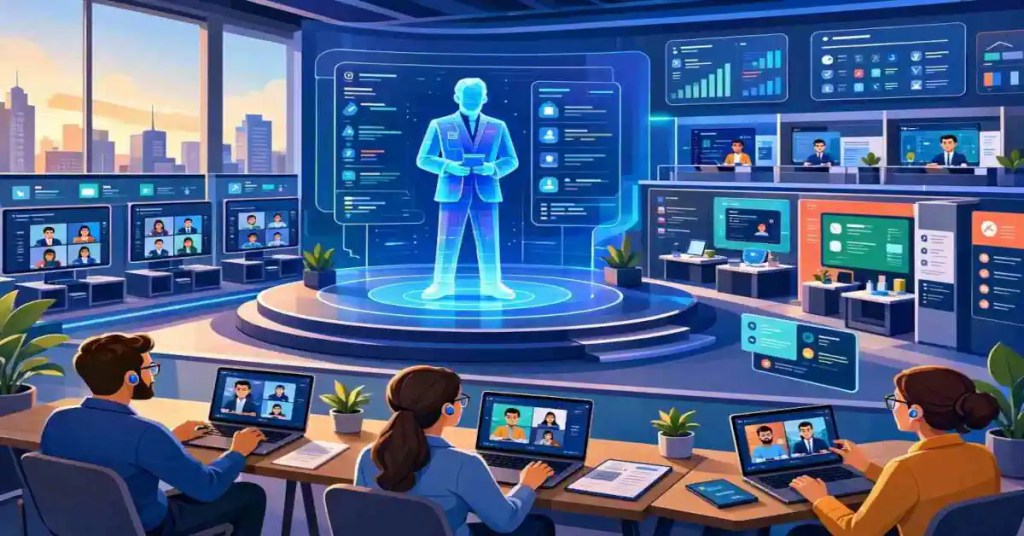
One of the most immediate and profound benefits is the sheer expansion of your audience. Suddenly, geographical boundaries dissolve. You can host a conference that attracts attendees from every continent, all without anyone needing to book a flight or worry about visa applications. This democratizes access to knowledge and networking, allowing a much more diverse group of people to participate. Think of the opportunities this unlocks for smaller organizations or those in less accessible locations – they can now compete on a global stage! It’s a game-changer for inclusivity, plain and simple.
The Financial Flip Side: Saving Dough, Making More
Let’s talk brass tacks: money. Organizing a physical event involves a massive outlay of cash: venue rental, catering, travel and accommodation for speakers and staff, printing costs, physical signage… the list goes on and on. Virtual events, while not entirely free (good platforms cost money!), significantly slash these overheads.
Consider the savings:
- No venue costs: Your “venue” is the internet!
- Reduced travel and accommodation: A huge saving for both organizers and attendees.
- Lower staffing needs: Fewer people are required on the ground.
- Minimized printing and material costs: Digital brochures and agendas are the norm.
This cost reduction doesn’t just benefit organizers; it often translates into more affordable ticket prices for attendees, further broadening accessibility. Plus, with lower overheads, a higher percentage of your budget can be allocated to delivering high-quality content and engaging experiences. It’s a win-win, really!
Enhanced Engagement and Measurable Data
Contrary to the initial skepticism, virtual events can be incredibly engaging, often more so than a packed ballroom where people can easily disengage. Platforms are built with interactive features designed to keep attendees involved. We’ve already touched on polls and Q&As, but let’s dive a little deeper.
Imagine a speaker asking a question, and within seconds, seeing the results of a live poll appear on screen, sparking immediate discussion. Or picture attendees actively participating in a themed chat channel, sharing their thoughts and insights in real-time. This level of direct interaction is often harder to achieve in a large physical space.
Furthermore, virtual platforms offer a treasure trove of data. You can track:
- Attendance rates: Who logged in, when, and for how long?
- Session engagement: Which talks were most popular? Which speakers drew the biggest crowds?
- Q&A participation: Who is asking questions, and what are they curious about?
- Networking interactions: How many connections were made?
- Booth visits and downloads: For sponsors, this is invaluable ROI information.
This data is gold! It allows for highly targeted follow-up, helps you understand your audience better for future events, and provides concrete metrics to demonstrate the value and success of your event to stakeholders and sponsors. It’s a level of insight that traditional events often struggle to capture so comprehensively.
Navigating the Platform Landscape: Finding Your Perfect Fit
So, you’re sold on the idea of virtual events. Great! But with so many platforms out there, where do you even begin? The market is awash with options, each offering a slightly different flavor and feature set. It can feel a bit like navigating a maze, frankly.
Key Features to Look For
When you’re embarking on your Exploration of Virtual Events Platforms with Benefits, keep these crucial features in mind:
- User Interface and Experience (UI/UX): Is the platform intuitive and easy for both organizers and attendees to navigate? A clunky interface can be a major turn-off.
- Customization Options: Can you brand the platform to reflect your organization’s identity? Customizable lobbies, stages, and sponsor areas are a big plus.
- Networking Capabilities: Beyond basic chat, does it offer one-on-one video calls, AI matchmaking, or virtual lounges?
- Scalability: Can the platform handle your expected number of attendees without crashing or slowing down?
- Integration: Does it integrate with your existing CRM, marketing automation tools, or ticketing systems?
- Analytics and Reporting: As we discussed, robust data tracking is essential.
- Technical Support: What kind of support is available before, during, and after the event? This can be a lifesaver!
- Security and Privacy: How is attendee data protected? This is non-negotiable.
Popular Platform Types and Examples
While it’s impossible to list them all, here are some general categories and well-regarded examples to get you started:
- All-in-One Event Management Platforms: These are comprehensive solutions offering registration, marketing, and the virtual event experience.
- Examples: Hopin, Bizzabo, Cvent
- Webinar-Focused Platforms: Ideal for more straightforward presentations and educational sessions.
- Examples: Zoom Webinars, GoToWebinar, Demio
- Immersive/Metaverse Platforms: For those looking for a more cutting-edge, visually rich experience.
- Examples: AltspaceVR (now closed but representative of the concept), engage.VR, Spatial.io (often used for meetings but adaptable)
- Customizable/White-Label Solutions: For organizations that need a highly tailored experience.
Pro Tip: Don’t be afraid to ask for demos! Most platforms offer trials or personalized walkthroughs. Use these opportunities to test out the features that are most important to your specific event needs.
Overcoming the Hurdles: Making Virtual Events Truly Work
Despite the incredible benefits, let’s be honest, virtual events aren’t without their challenges. They require a different mindset and a strategic approach to be truly successful.
Combating Digital Fatigue and Keeping Folks Hooked
One of the biggest concerns is “Zoom fatigue” or, more broadly, digital fatigue. Staring at screens for extended periods can be draining. The key to overcoming this lies in thoughtful content design and active engagement strategies.
- Keep sessions short and punchy: Break down content into digestible modules.
- Incorporate frequent breaks: Allow attendees to step away from their screens.
- Vary the content format: Mix presentations with interactive workshops, panel discussions, and even short entertainment segments.
- Encourage movement: Suggest quick stretches or mindfulness exercises during breaks.
- Foster social interaction: Design deliberate networking opportunities that feel natural, not forced.
The Technical Tightrope: Ensuring a Smooth Experience
Technical glitches can derail even the best-planned virtual event. While you can’t control every attendee’s internet connection, you can take steps to minimize issues.
- Thorough platform testing: Test every feature, every link, and every integration.
- Provide clear technical guidelines: Advise attendees on recommended browsers, internet speeds, and equipment.
- Have a backup plan: What happens if a speaker’s internet cuts out? Have pre-recorded segments or a designated backup speaker ready.
- Offer robust technical support: Have a dedicated team available to help attendees with any issues that arise.
Measuring Success Beyond Attendance
While attendance is important, defining success solely on that metric is a mistake. As we’ve seen, virtual platforms offer a wealth of data. Focus on metrics that align with your event’s goals.
- Engagement rates: How actively did attendees participate in polls, Q&As, and chat?
- Lead generation: Did the event result in new qualified leads for your sales team?
- Sponsor satisfaction: Did sponsors achieve their ROI targets?
- Attendee feedback: Use post-event surveys to gauge satisfaction and gather qualitative insights.
Frequently Asked Questions (FAQs)
Q1: Are virtual events really as effective as in-person events?
A: They can be! While they offer different strengths, virtual events excel in accessibility, reach, and cost-effectiveness. For engagement, it truly depends on the platform’s features and the organizer’s strategy. Many organizations find they can achieve similar or even better results for certain goals through virtual means.
Q2: How much does a virtual event platform typically cost?
A: Pricing varies wildly! You can find basic webinar tools for free or a few dollars a month, while comprehensive, enterprise-level virtual event platforms can cost thousands or even tens of thousands of dollars, depending on features, attendee numbers, and event duration.
Q3: Can I host a virtual event with a large number of attendees?
A: Absolutely! Most reputable platforms are built for scalability. However, it’s crucial to check the platform’s capacity limits and ensure it can handle your expected audience size smoothly.
Q4: How can I encourage networking during a virtual event?
A: This requires proactive planning. Utilize features like breakout rooms, AI-powered matchmaking, dedicated networking lounges, speed networking sessions, and encourage attendees to connect via direct messaging or scheduled one-on-one video calls.
Q5: What are the main advantages of virtual events for sponsors?
A: Sponsors benefit from wider reach, reduced costs compared to physical trade shows, highly targeted lead generation through platform data, opportunities for interactive virtual booths, and the ability to track ROI more effectively.
Conclusion
Our Exploration of Virtual Events Platforms with Benefits reveals a landscape that is not just evolving, but actively transforming how we connect and share information. What began as a response to necessity has blossomed into a sophisticated and powerful toolset for organizers and attendees alike. From breaking down geographical barriers and slashing costs to offering unparalleled data insights and fostering surprisingly deep engagement, virtual events are here to stay.
The key, as we’ve seen, lies in choosing the right platform for your needs and approaching the organization with a strategic, engagement-focused mindset. By understanding the technology, embracing the interactive possibilities, and actively working to combat digital fatigue, you can harness the incredible power of virtual events. So, whether you’re planning a small workshop, a large-scale conference, or even a company-wide celebration, don’t underestimate the potential of the virtual realm. It’s an exciting time to be involved in events, and the future looks increasingly connected, accessible, and, dare I say, downright brilliant! Go forth and explore – the virtual world awaits!
Disclaimer: This article is for informational and educational purposes only. Technology and AI tools evolve rapidly, and software features, pricing, or capabilities may change over time. Always verify current features and terms directly with the service provider before making purchases or implementing software decisions.